


Is it possible to eat mayonnaise and fatty steak and still lose weight?The keto diet answers this question in the affirmative.
Initially, the ketogenic diet was used to treat epileptic seizures, then the unusual menu attracted the attention of athletes and weight losers.What are the characteristics of this method and for whom the diet is absolutely contraindicated: let's find out.
Principles of the keto diet
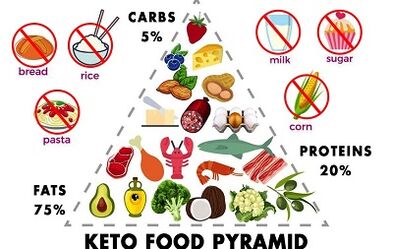
The keto diet, also called ketogenic, is based on the consumption of fats, proteins and a minimal amount of carbohydrates.The original version of keto, used to treat epilepsy, primarily in children, had a 4:1:1 ratio of fat, protein, and carbohydrates.In weight loss options, the proportions are slightly changed towards increased protein.
The keto diet for the treatment of epilepsy is prescribed by a doctor.Only a specialist, based on the test results and evaluating the patient's condition, will be able to correctly draw up a nutritional plan.
The essence of the keto diet is to bring and maintain the body in a state of ketosis.The main source of energy for the body is carbohydrates, which are converted into glucose and tend to accumulate in muscle tissue and the liver.When there is a carbohydrate deficiency, the body uses up glycogen stores and then begins to use fat stores as an energy source, breaking down fat cells, which in turn produce ketone bodies.It is the ketone that serves as an energy source for the brain and other organs.The process can only take place if the amount of carbohydrates consumed per dog does not exceed 100 g.
The ketogenic diet has many similarities to the low-carb diet.In the latter, the consumption of carbohydrates is also reduced, but their amount exceeds 100 g and the process of ketosis does not occur.
What happens to a person on a keto diet:

- Carbohydrate hunger.Without replenishment, glucose reserves last 8-9 hours.After this time, the person feels strong hunger, but the body still does not feel any inconvenience.
- Consumption of glycogen reserves– the most difficult period of the diet.As a rule, the body needs 1-3 days to use up the entire supply.A person feels an incessant hunger that even fats and proteins cannot satisfy.This is the feeling you get when you are hungry on a full stomach.Thoughts about sweets, increased sweating, salivation, liver and stomach pain, dizziness, nausea, irritability, increased sensitivity to odors, and fatigue persist for 3 days.
- Gluconeogenesis.The body breaks down all the compounds available to it, including proteins, into glucose.This period is characterized by the loss of muscle tissue and the reduction of internal organs.The process lasts a week.
- Ketosis.When the body begins to realize that there is no glucose reserve in sight, it begins to use its reserves sparingly and switches from breaking down proteins to fats.As a result of lipolysis, fat cells are broken down into glycerol and fatty acids, which are converted into ketone bodies, direct suppliers of energy.Clear signs of the onset of ketosis are a specific smell of acetone emanating from the body and all secretions, attacks of severe hunger, fatigue and dizziness disappear.
Types of Keto
There are several keto options for burning fat:
- standard diet – FBU percentage ratio 75:25:5;
- cyclical keto diet: alternate carbohydrate days with ketogenic days, for example, 2 days a week are high in carbohydrates and the rest are ketogenic;
- targeted diet – on training days the amount of carbohydrates increases;
- high protein – increasing the amount of protein, the ratio of fat, protein, carbohydrates is 60:35:5.
Cyclic keto is often used by professional athletes;a standard ketogenic diet is usually used for weight loss.
Advantages and disadvantages of keto
The keto diet boasts the following benefits:
- effective weight loss, which occurs due to loss of subcutaneous fat;
- nutritious menu and absence of hunger after the onset of ketosis;
- after completing the diet, the weight does not return for a long time;
- preservation of muscle mass;
- the ability to cook fried dishes, there is a variety of meat products, including lard;
- wide choice of products.
Disadvantages of Keto:
- carbohydrate deficiency negatively affects brain function, concentration decreases, memory and learning ability deteriorate;prolonged carbohydrate deficiency can lead to irreversible changes;
- slowing of metabolism;
- poisoning of the body with toxic substances, the symptoms of which are manifested by the smell of acetone;
- feeling sick in the first few days;
- diet can cause gout due to the increased content of meat dishes;
- Lack of fiber can cause constipation and inflammation in the large intestine.
The diet is absolutely contraindicated during pregnancy and breastfeeding, with renal failure, chronic diseases of the digestive and excretory systems and with diabetes.The keto diet is not suitable for people who do mental work.
What is included in the diet menu
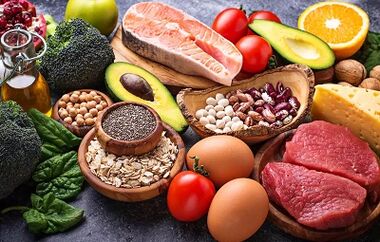
The main part of the diet is foods of animal origin: meat, fish, poultry, eggs.Butter, cottage cheese, cheeses, vegetable oils, mushrooms, seafood, offal, vegetables are allowed: cauliflower, white cabbage, Brussels sprouts, broccoli, Beijing cabbage, cucumbers, green beans, green leafy vegetables, celery, courgettes, onions, tomatoes in limited quantities, nuts.During keto, you need to drink plenty of fluids to neutralize the manifestations of poisoning from toxic substances that are formed in the body with excessive consumption of proteins.
The keto diet involves completely avoiding a large food group:
- sugar and all products containing it;
- fruits and berries, except sour strawberries;
- sweets, confectionery, dried fruit, jam, jam, ice cream;
- artificial sugar substitutes;
- root vegetables, including potatoes, beets and carrots;
- all types of bread, cereals;
- pasta;
- legumes;
- seeds;
- milk;
- fruit juices;
- all types of alcohol;
- Honey;
- industrial sauces.
Keto diet: menu of the week
Depending on your diet goals, your menu for the week will have different options.If you need to build muscle, an additional 500 calories are added to your daily calorie intake.If the keto diet is considered weight loss, 500 calories are subtracted from your daily intake.
To start the process of ketosis, the diet should consist of a menu in which the ratio of proteins and fats by weight is the same, while the amount of carbohydrates should not exceed 100 g.This keto meal plan is designed for one week.Next, the ratio of proteins, fats, carbohydrates is calculated according to the formula: proteins 35%, fats 60%, carbohydrates 5%.
Your main sources of carbohydrates should be non-starchy vegetables and leafy greens.There are few carbohydrates per 100 g of vegetables, but they can provide the body with the necessary fiber, vitamins and microelements.
Example of a ketogenic diet menu for a week:
Monday:
- breakfast: scrambled eggs and bacon;
- lunch: fried chicken and cucumber salad;
- dinner: grilled salmon steak with asparagus.
Tuesday:
- breakfast: protein shake;
- lunch: pork meatballs with vegetable stew;
- dinner: cheese salad, olives and cherry tomatoes.
Wednesday:
- breakfast: omelette with ham and cheese;
- lunch: mackerel with vegetables;
- dinner: homemade ricotta.
Thursday:
- breakfast: 4 boiled eggs and chicken breast;
- lunch: tuna and spinach;
- dinner: pork chop with green vegetables.
Friday:
- breakfast: scrambled eggs with avocado, spices;
- lunch: chicken Kiev, sliced vegetables;
- dinner: stuffed tuna.
Saturday:
- breakfast: chicken breast salad, eggs, onions with mayonnaise;
- lunch: cured meats;
- homemade ricotta with walnuts.
Sunday:
- breakfast: omelette with mushrooms;
- lunch: roast suckling pig;
- dinner: chicken with vegetables.